Early 3D shenanigans.
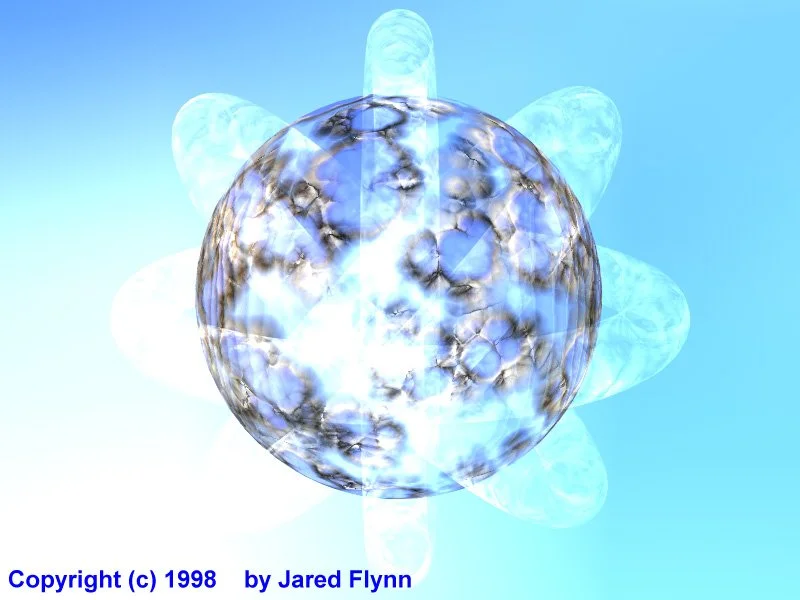
MOLECULE.BMP, possibly the first 3D render I ever made outside of a tutorial from a book. 3D Studio MAX r2.5, 1998.
The exact chronology is fuzzy to say the least, but in no particular order, there were three major events in the late ‘90s that led to my getting into 3D design and animation.
First I’d like to credit my dad, Bill. When I was a tween, he started taking night classes in architectural design, and brought home a suite of software for his coursework. He spent most of his time in AutoCAD, but the suite also included 3D Studio MAX r2.5. With his encouragement (and a thicc book of lessons) I had the opportunity to noodle around with this art form on our home computer. Thinking about this now, I’m a little floored by how special this was; we were still a long ways off from creative software becoming particularly affordable, and running 3D design software on a home desktop was only barely viable in the first place!
Around the same time, I discovered 3D artist Neil Blevins. I have a vague memory of some Web 1.0 era website where digital artists were sharing their work, where Neil’s art first came up for me. His work with modeling spaceships, megastructures (long before he published a dope book on the subject) and abstract compositions with dark sci-fi themes resonated deeply with me at the time, and I followed him for years during my sporadic bursts of Internet access. Towards the end of high school, I decided to email Neil and ask him about how to get started making digital art professionally, and, cool dude that he is, he actually responded! His advice was that art is much tougher to learn without support than the use of tools & software. Knowing how to leverage composition, value, and color, not to mention exposure to making stuff in any number of media, was overall rarer in among professional 3D artists, at least at the time, so his vote was for me to attend art school and learn the tech separately. I took that to heart and applied to Maine College of Art, a move that was incredibly formative for my career (even though I didn’t graduate). I’ll always be grateful to Neil for giving me a slice of his time and setting me on the wise path toward a creative career.
The third event was a close encounter with a real working artist, which came through a serendipitous one-off job my [biological] father took on. A friend of his partner’s—I remember his first name, Dana—was a digital artist working with Tufts University. Using a combination of real data and 3D software, he created large-format fine art prints of deep space phenomena, the Milky Way, nebulae, planets, comets, etc. These prints would go on tours with their department’s research team as visual aids. Dana needed a way to safely transport these big ol’ canvases on their cross-country gigs. My father was pretty handy with woodworking, so Dana commissioned him to build a shipping crate. As part of that deal, we got to visit Dana’s studio in Cambridge, and he was kind enough to give me a first-hand tour of how his 3D space scenes were built. I can’t remember the exact chronology of things here but this might have predated my own experiments with 3D Studio, and actually been my first-ever look at how digital art like this was made.
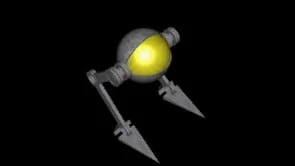
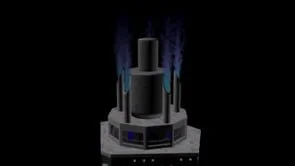

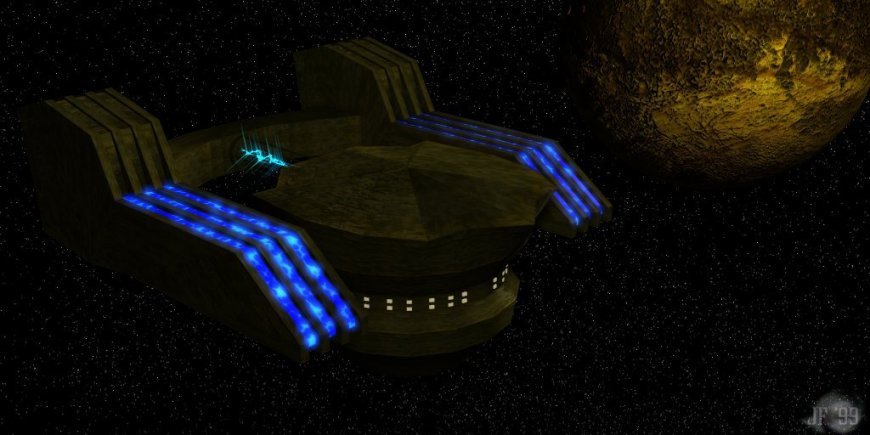
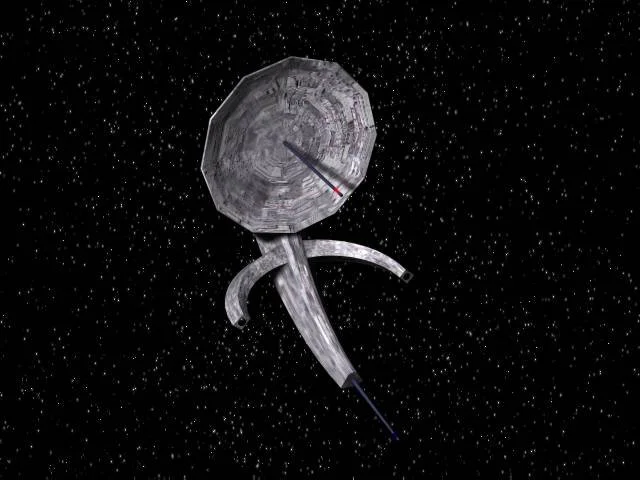
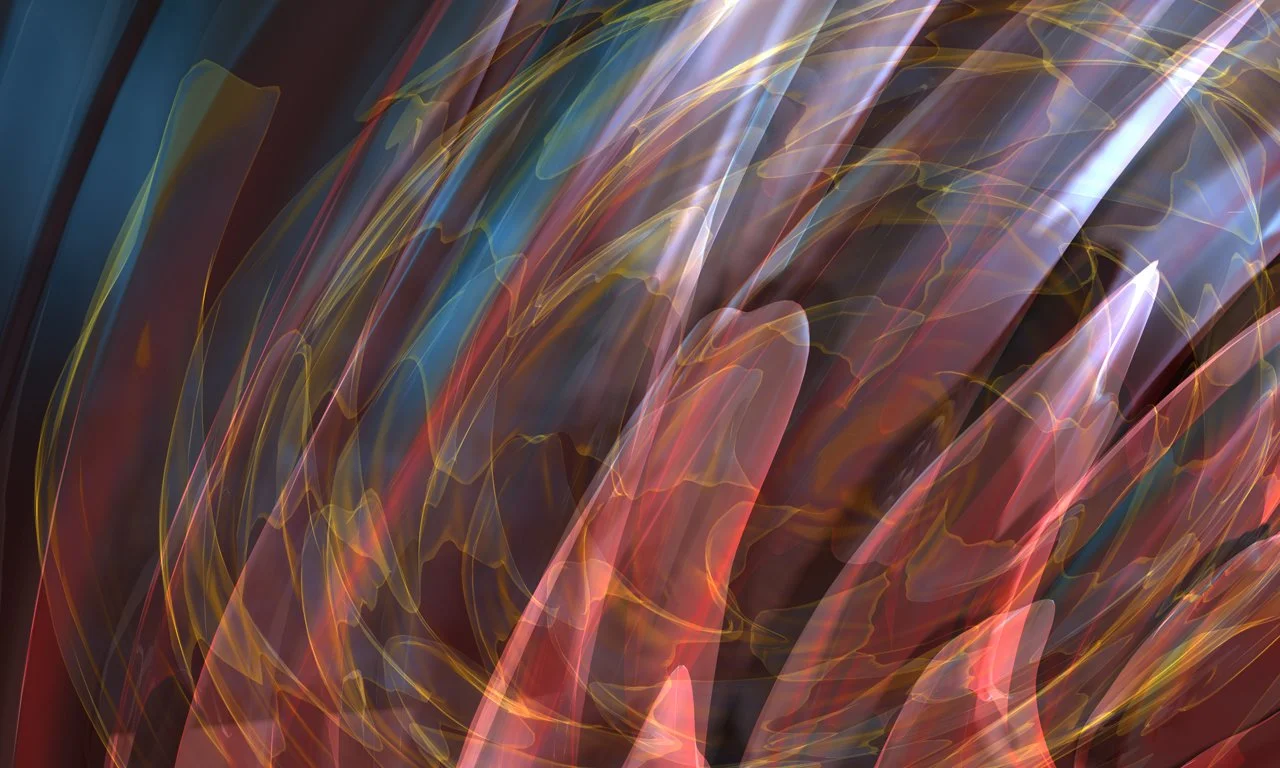
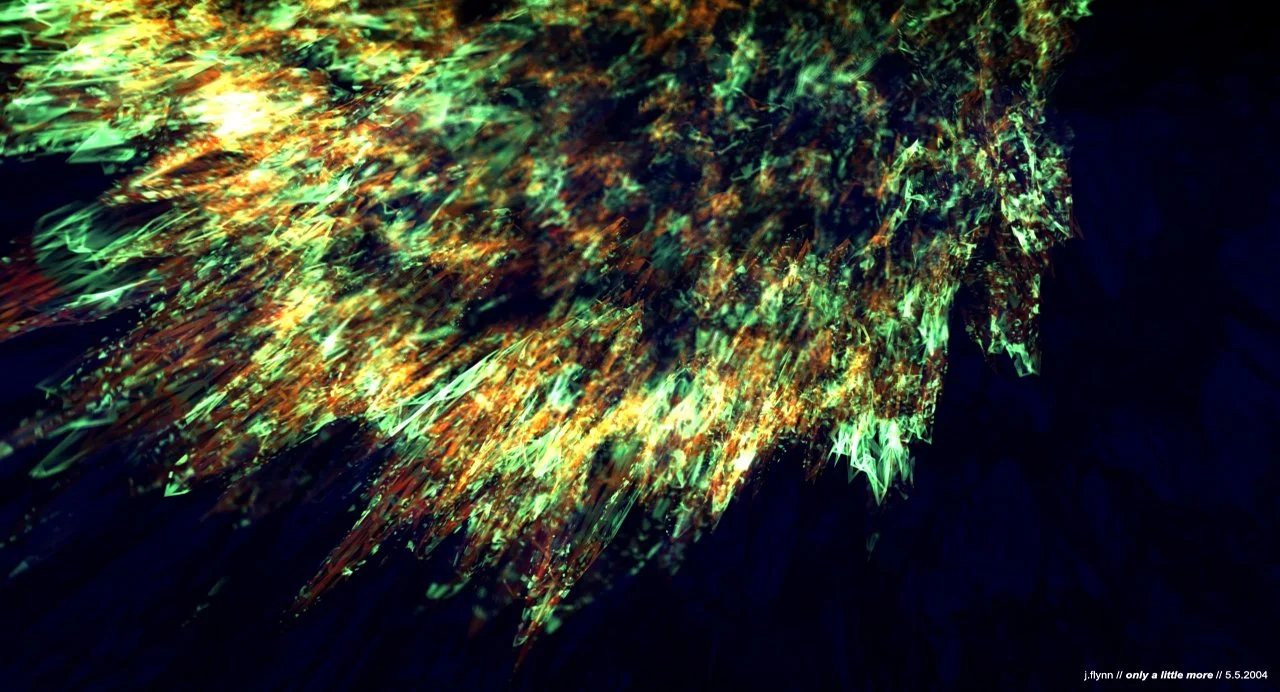
From about 1998 onward, you’d find me noodling around in 3DS MAX on the regular. Looking back at my output from the time, and considering how painful it was for me to reenter 3D design and animation as a professional a decade later (more on that in a future post), I’m kind of surprised by how much skill I managed to develop between my one book of lore and blind experimentation. For the most part I modeled with primitives, and most of my attempts at subdivision modeling (then called NURBS) were exercises in extreme frustration. But I’ll be damned if I didn’t sort out how to manage an animation timeline, parenting, lighting, even a bit of shader work that produced some renders I’m still pretty proud of.
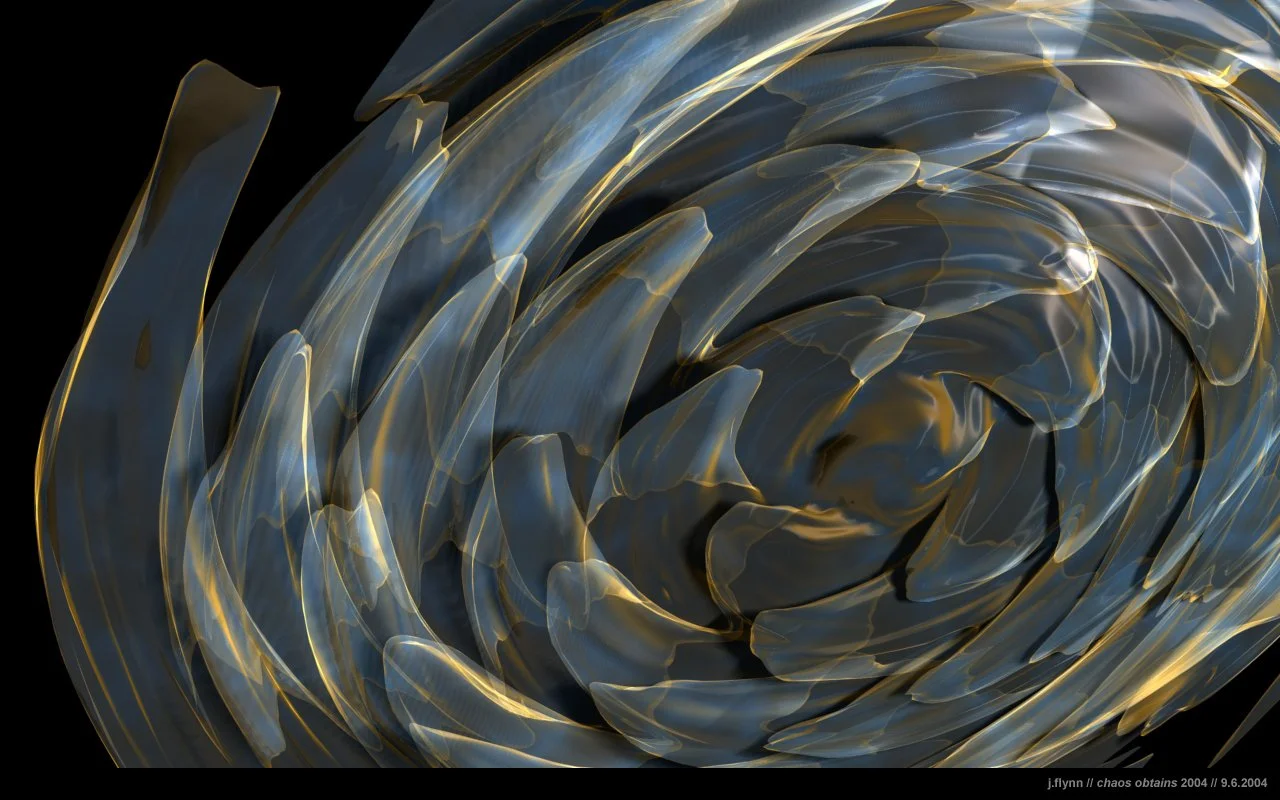
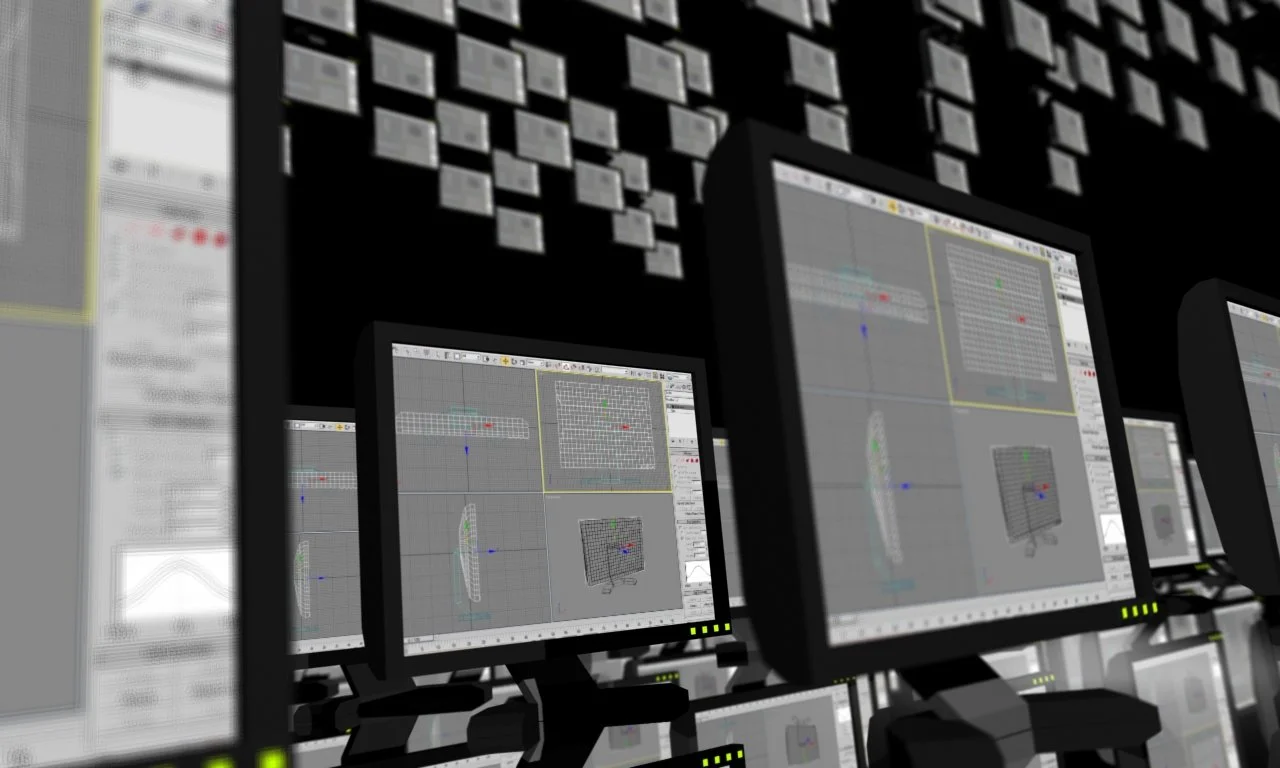
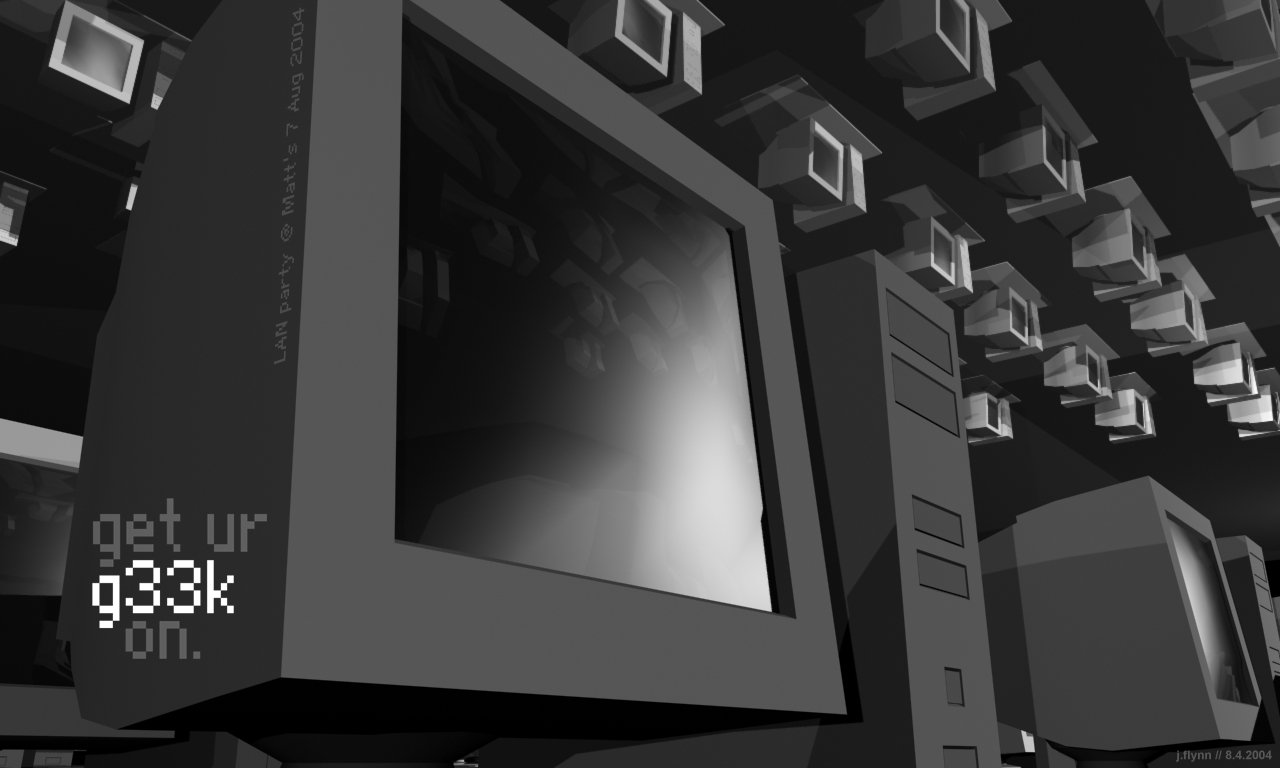
3D was on my toolbelt, at least casually, until 2006, at which point it fell entirely by the wayside and stayed there for the next six years. With no formal training or support to bolster my experiments, and my creative focus organically shifting into video production & post production during college, I found myself opening up 3D Studio less and less often. My last big fun 3D scene of that era was a desktop wallpaper I made while waiting oh so patiently for UPS to deliver my very first flat panel monitor:
I’m grateful for the time I got to spend with 3D software early on, for the bridge it built between my childhood wonder at groundbreaking movies like Toy Story and the freedom to make cool stuff out of my own head with these amazing tools. I’m also grateful that my generation gets to bequeath tools like Blender—orders of magnitude more capable than what I was using at the time, and free—to anyone with even a passing curiosity about the art form. My journey in 3D design was a privileged one, born of an opportunity most kids at the time just never had, so it’s doubly amazing to see how accessible these tools continue to become.