It’s my blog!
Early 3D shenanigans.
The exact chronology is fuzzy to say the least, but in no particular order, there were three major events in the late ‘90s that led to my getting into 3D design and animation.
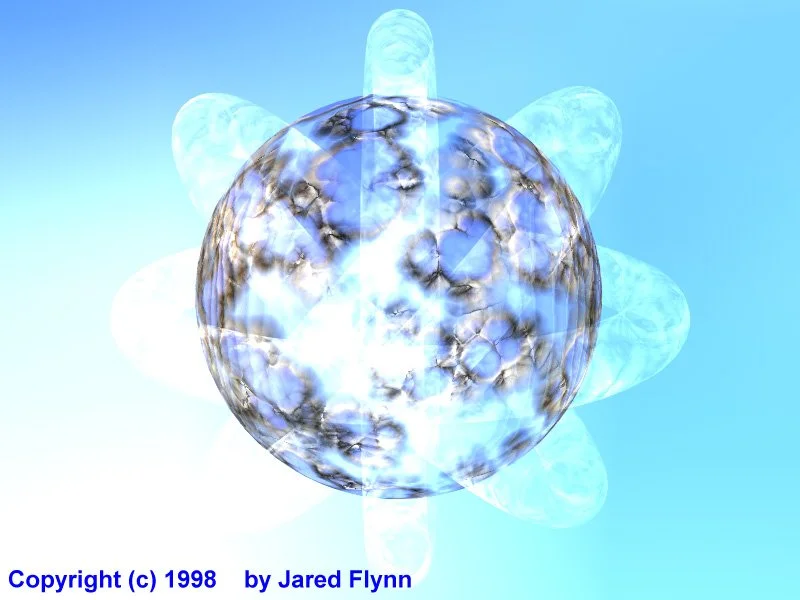
MOLECULE.BMP, possibly the first 3D render I ever made outside of a tutorial from a book. 3D Studio MAX r2.5, 1998.
The exact chronology is fuzzy to say the least, but in no particular order, there were three major events in the late ‘90s that led to my getting into 3D design and animation.
First I’d like to credit my dad, Bill. When I was a tween, he started taking night classes in architectural design, and brought home a suite of software for his coursework. He spent most of his time in AutoCAD, but the suite also included 3D Studio MAX r2.5. With his encouragement (and a thicc book of lessons) I had the opportunity to noodle around with this art form on our home computer. Thinking about this now, I’m a little floored by how special this was; we were still a long ways off from creative software becoming particularly affordable, and running 3D design software on a home desktop was only barely viable in the first place!
Around the same time, I discovered 3D artist Neil Blevins. I have a vague memory of some Web 1.0 era website where digital artists were sharing their work, where Neil’s art first came up for me. His work with modeling spaceships, megastructures (long before he published a dope book on the subject) and abstract compositions with dark sci-fi themes resonated deeply with me at the time, and I followed him for years during my sporadic bursts of Internet access. Towards the end of high school, I decided to email Neil and ask him about how to get started making digital art professionally, and, cool dude that he is, he actually responded! His advice was that art is much tougher to learn without support than the use of tools & software. Knowing how to leverage composition, value, and color, not to mention exposure to making stuff in any number of media, was overall rarer in among professional 3D artists, at least at the time, so his vote was for me to attend art school and learn the tech separately. I took that to heart and applied to Maine College of Art, a move that was incredibly formative for my career (even though I didn’t graduate). I’ll always be grateful to Neil for giving me a slice of his time and setting me on the wise path toward a creative career.
The third event was a close encounter with a real working artist, which came through a serendipitous one-off job my [biological] father took on. A friend of his partner’s—I remember his first name, Dana—was a digital artist working with Tufts University. Using a combination of real data and 3D software, he created large-format fine art prints of deep space phenomena, the Milky Way, nebulae, planets, comets, etc. These prints would go on tours with their department’s research team as visual aids. Dana needed a way to safely transport these big ol’ canvases on their cross-country gigs. My father was pretty handy with woodworking, so Dana commissioned him to build a shipping crate. As part of that deal, we got to visit Dana’s studio in Cambridge, and he was kind enough to give me a first-hand tour of how his 3D space scenes were built. I can’t remember the exact chronology of things here but this might have predated my own experiments with 3D Studio, and actually been my first-ever look at how digital art like this was made.
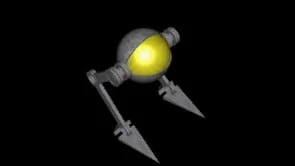
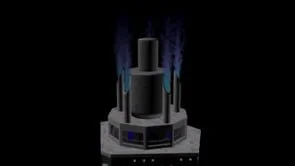
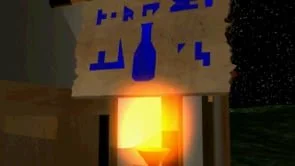
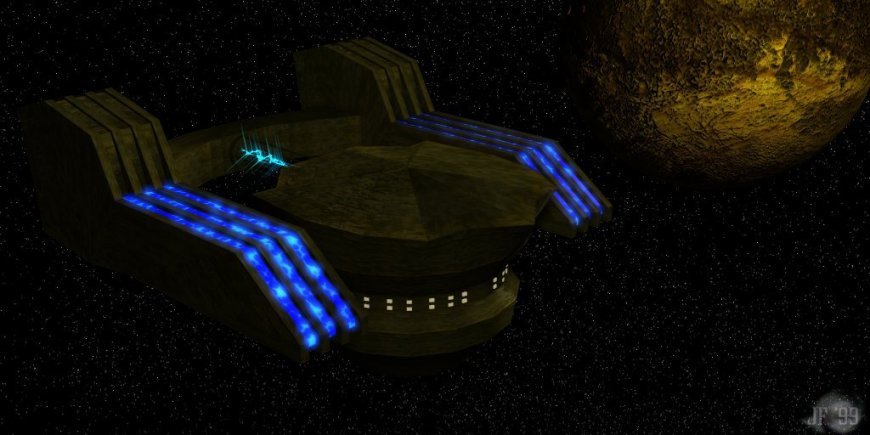
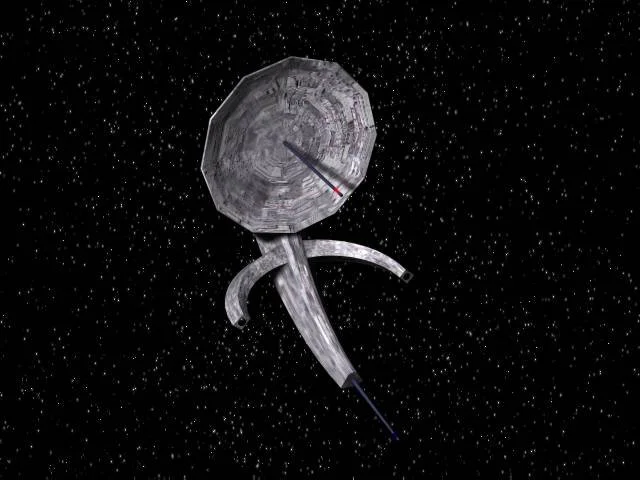
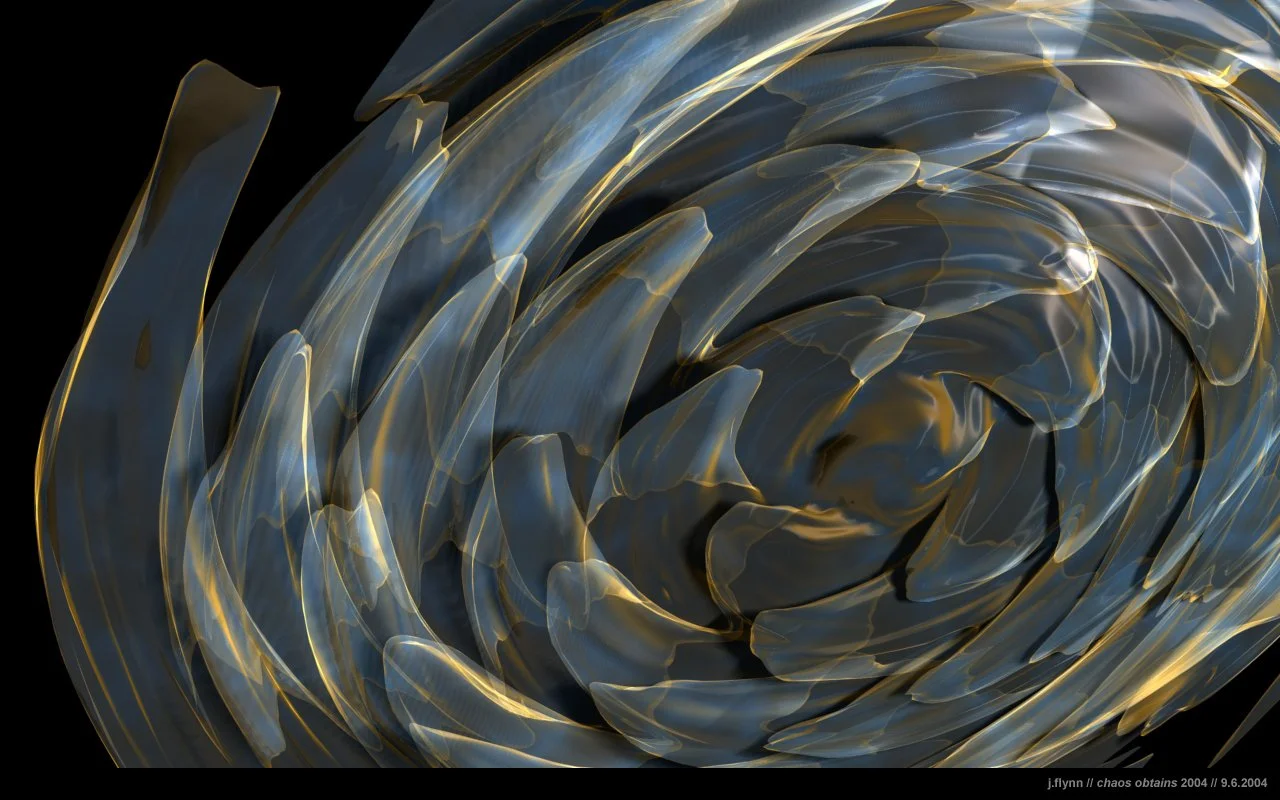

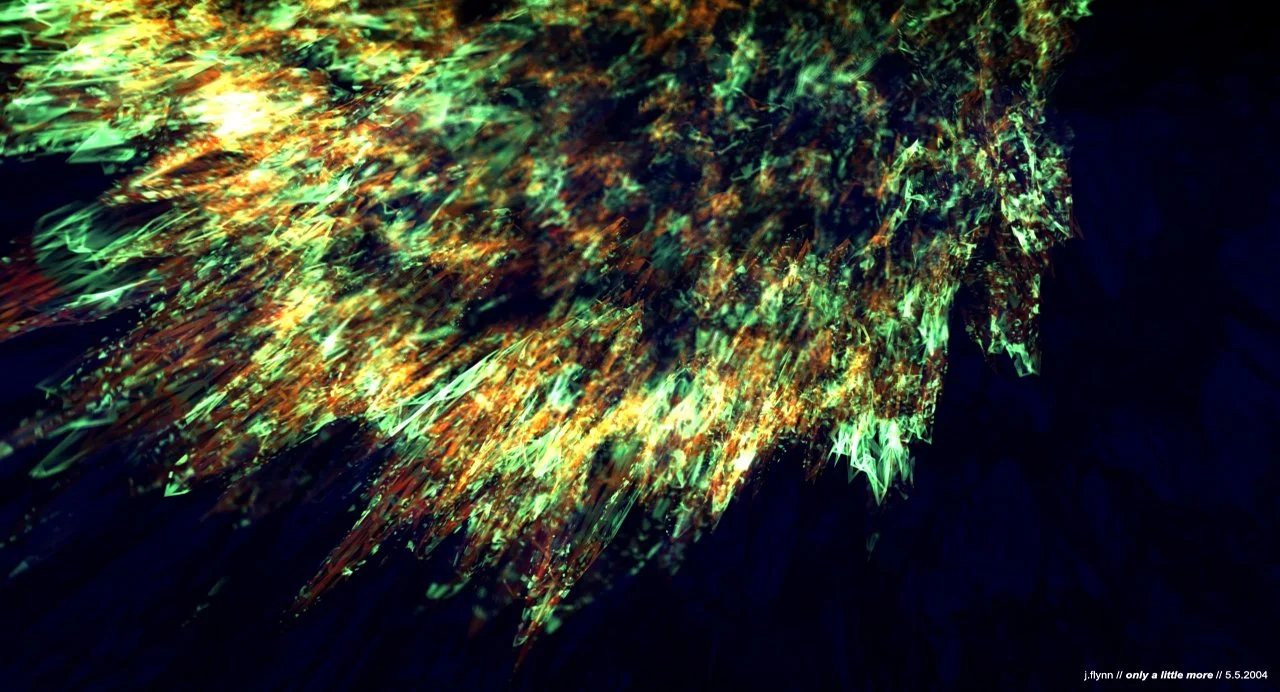
From about 1998 onward, you’d find me noodling around in 3DS MAX on the regular. Looking back at my output from the time, and considering how painful it was for me to reenter 3D design and animation as a professional a decade later (more on that in a future post), I’m kind of surprised by how much skill I managed to develop between my one book of lore and blind experimentation. For the most part I modeled with primitives, and most of my attempts at subdivision modeling (then called NURBS) were exercises in extreme frustration. But I’ll be damned if I didn’t sort out how to manage an animation timeline, parenting, lighting, even a bit of shader work that produced some renders I’m still pretty proud of.
3D was on my toolbelt, at least casually, until 2006, at which point it fell entirely by the wayside and stayed there for the next six years. With no formal training or support to bolster my experiments, and my creative focus organically shifting into video production & post production during college, I found myself opening up 3D Studio less and less often. My last big fun 3D scene of that era was a desktop wallpaper I made while waiting oh so patiently for UPS to deliver my very first flat panel monitor:
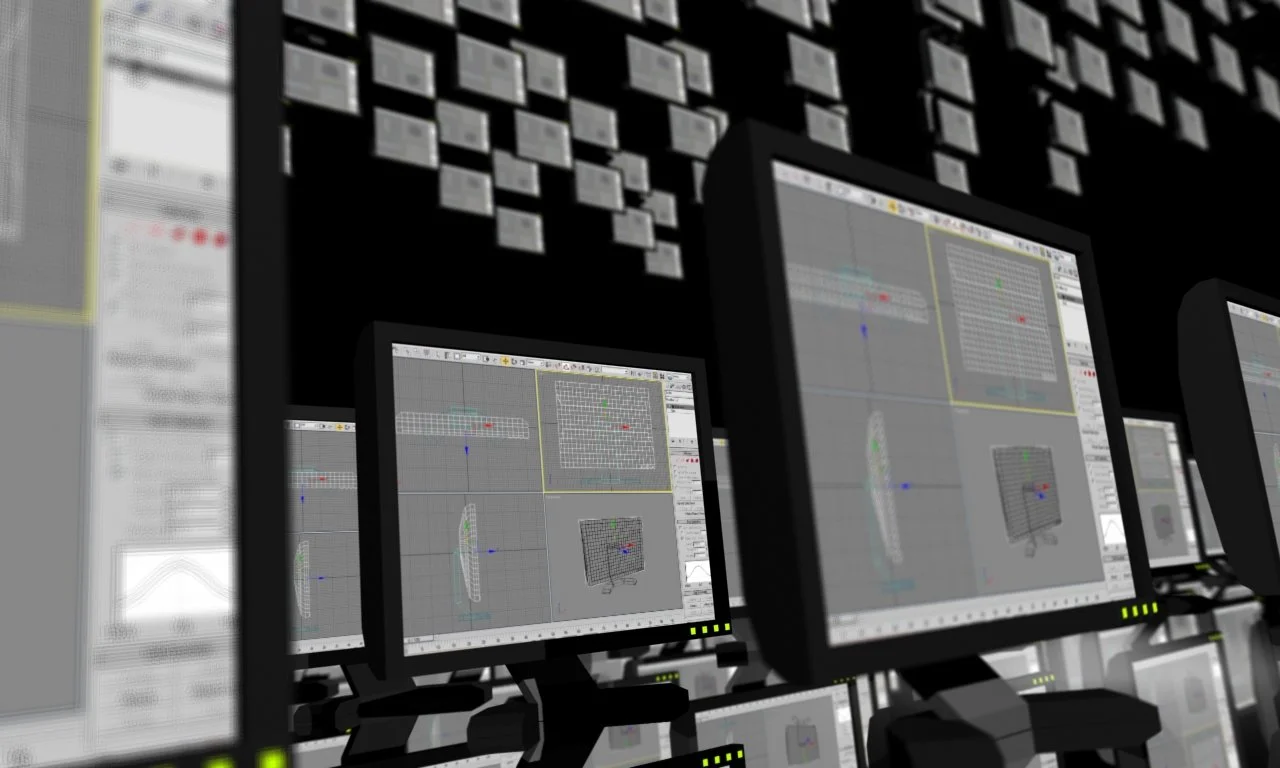
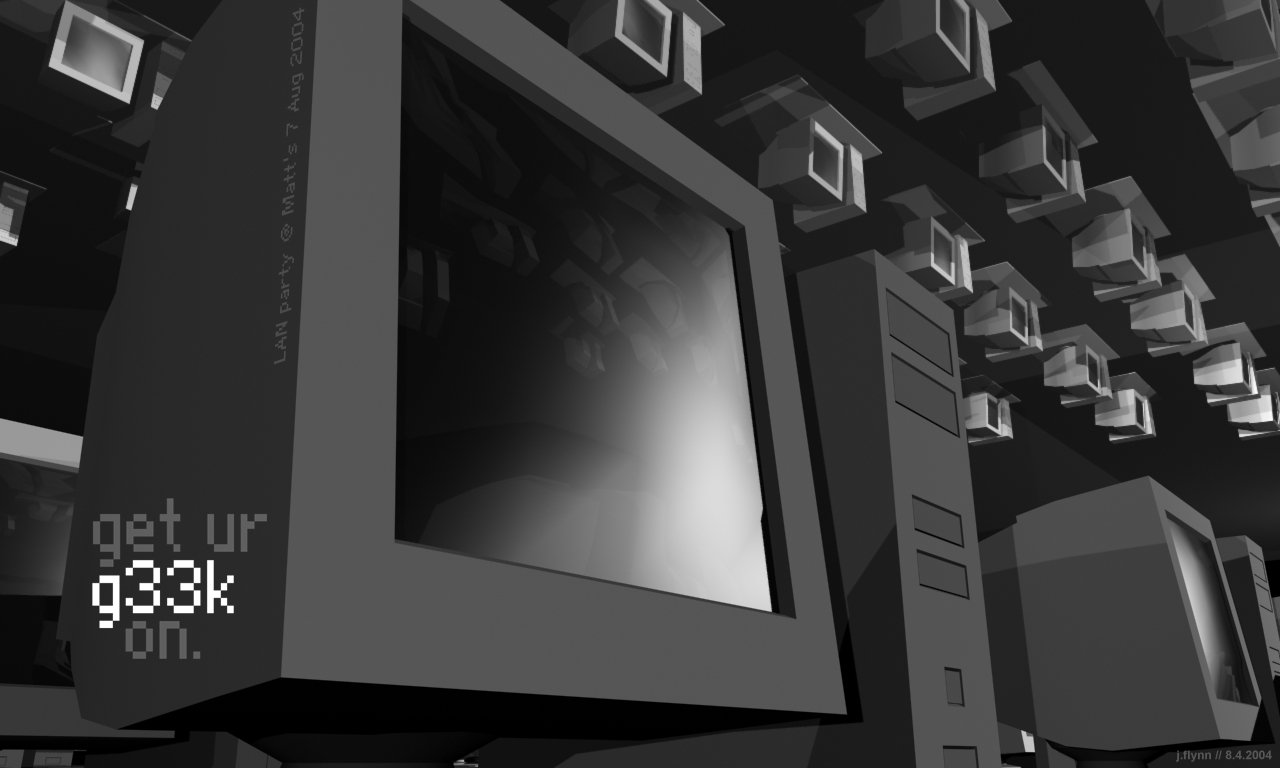
I’m grateful for the time I got to spend with 3D software early on, for the bridge it built between my childhood wonder at groundbreaking movies like Toy Story and the freedom to make cool stuff out of my own head with these amazing tools. I’m also grateful that my generation gets to bequeath tools like Blender—orders of magnitude more capable than what I was using at the time, and free—to anyone with even a passing curiosity about the art form. My journey in 3D design was a privileged one, born of an opportunity most kids at the time just never had, so it’s doubly amazing to see how accessible these tools continue to become.
Getting into solo roleplaying.
The tabletop RPG scene has always been on my periphery, beginning with a stalled-out session zero of 2E Dungeons & Dragons in high school, of which the most memorable part was spent listening to my buddy attempt to explain THAC0. Fast forward to May 2025, and on the heels of a ninety-two hour playthrough of Baldur’s Gate 3, I thought it would be so awesome to give the hobby a proper try.
The tabletop RPG scene has always been on my periphery, beginning with a stalled-out session zero of 2E Dungeons & Dragons in high school, of which the most memorable part was spent listening to my buddy attempt to explain THAC0. Fast forward to May 2025, and on the heels of a ninety-two hour playthrough of Baldur’s Gate 3, I thought it would be so awesome to give the hobby a proper try.
Everything about the TTRPG hobby enchanted me. I’ve been a fan of fantasy and science fiction in literature, film, and video games since childhood. I loved the sound and flash of rolling dice, and the thrill of not knowing how they would fall. The libraries of rulebooks, sourcebooks, and settings, with their interconnected mechanics and statistics actually scratched my coding and animation itch—the exercise of setting up a character and running her through a crunchy combat encounter or skill check delivered the same flavor of satisfaction as pickwhipping the heck out of disconnected artwork until you’ve got a dynamic character puppet to animate. Exploring the many and varied approaches to simulating (or at least adjudicating) completely open-ended actions was like kicking off a massive Rube Goldberg machine and discovering all the weird, unexpected results you get out of the other side. And with all that scaffolding established, I am at heart a maker and a storyteller. TTRPGs were made for me.
Of course now I’ve got a spouse and a kid and a job, and yeah, so do all of my closest friends, so for a hot second it felt like the ship had sailed. I considered joining a local group, but that would require meeting New People and that’s not my favorite. So what’s a nerd to do?
That’s around the time I discovered solo roleplaying: all the dice and rule books but without a group or a game master. It’s a thing! For the uninitiated, here’s how it works:
Find a system that sounds fun.
There are a few TTRPG systems that are specifically designed for solo or co-op play without a Game Master. Ironsworn and its sci-fi cousin Starforged are great examples. In that style of solo play, world-building is procedural (rolling dice on tables to determine the “Truths” of the world and help kickstart your story), and events that are outside of the player’s control (think NPC behavior, random encounters, the results of trying a creative action with an uncertain outcome) are guided by “oracles,” specialized dice rolls to answer yes or no questions and draw keywords from themed tables to help you figure out what happens next.
Many other systems, like Shadowdark and Cyberpunk RED, have official rules for solo play. Those rules generally follow the same oracle-based approach to not playing with a GM, while also making tweaks to some of the group-play mechanics to ease the bookkeeping burden, or balance the difficulty of combat encounters. It’s also not uncommon for the player community to publish unofficial solo rules for games that don’t include them, for example Solo_Work for CY_BORG or A Lonely Death In Space for Death In Space.
Choose a GM/oracle method
What if the game system you want to try doesn’t have any solo rules? Or what if the official solo tables get repetitive or boring and you need to juice up your inspiration engine? Now we’re talking about bringing a GM Emulator into the mix.
In my play I have grown very fond of the Mythic Game Master Emulator 2E by Tana Pigeon. Not a game unto itself (unless you want it to be! There are rules in the book for that!), Mythic instead sets out an easy-to-digest system of oracles and procedures that can be applied to any RPG system you want.
If Mythic isn’t your cup of tea, there are also specialized decks of cards and methods of using standard playing cards or tarot cards to stand in for a GM. These methods come with less structure and lean more heavily on your own creativity to push your story forward.
I have also become a big fan lately of Man Alone’s Prima Materia, which threads the needle between a system with tables of concrete prompts and the super open-ended interpretation of cards. Prima Materia is now my go-to for squishier issues like determining how non-player characters in my story are feeling about a subject we’re discussing, or digging myself out of a hole where I just have no clue at all where to go next.
Choose an expression of your play
Here’s where solo roleplaying really stands on its own as a distinctive hobby. Roleplaying games, played in a traditional group setting, are an exercise in collaborative storytelling. The GM sets up the pins (quests, story hooks, some key NPCs to interact with) and it’s the players’ job to work together to knock them down. The magic then comes from the group dynamics: the players don’t know what their GM will throw at them, and the GM can’t predict every action the players will take in response. While there are absolutely gamey elements that vary from system to system—mechanics for combat, negotiating with NPCs, exploring uncharted lands, etc—at the very foundation of the hobby is telling a story. It may seem at first like you need a group to create that feeling of a living, breathing, evolving story, but for real, you can do that all in your own head; in fact there’s a game for that. But what if you like drawing maps? Go nuts; there’s also a game specifically for the cartographically inclined. You can also novelize or journal your experience (and yep, there are games that lean hard into that as well, see Koriko: A Magical Year or Ion Heart), or just keep a shorthand of what your characters get up to and what happens next.
For my practice, I start with a pretty verbose log of what’s going on. Part of my fun is the creative writing exercise of coming up with dialogue, describing events longhand, but if I’m caught up in the moment I’ll let some detail fall by the wayside. I also like to record all my dice rolls and oracle questions; at first this was a deliberate move just to help me learn these systems, but I keep up with it because I love the artifact it creates.
Beyond the log, I have allowed the hobby to reignite my love of drawing. I’m all about making detailed hex maps, battle maps for especially consequential encounters, and I’ve even started to include drawings of scenes or characters when I’m feeling so inspired.
If that sounds like a lot, it is. But none of it is required! In solo play, you’re accountable only to yourself, so add or remove rules, tools, or expressions of play from game to game or session to session.
That’s pretty much it.
I plan to add lots of resources over in the Links section where you can learn more about this quirky subculture.
In 1991, a world of anthropomorphic cats needed a hero.
… So I made dozens. What started with an innocent second-grade assignment, to think about two different animals and draw what it might look like if they were combined, became a years-long, nigh-pathological worldbuilding exercise.
… So I made dozens. What started with an innocent second-grade assignment, to think about two different animals and draw what it might look like if they were combined, became a years-long, nigh-pathological worldbuilding exercise. Batcat came first, followed by Catman, Cybocat, Scratch-Off, Ninjacat, Slapcat, and, of course, Supercat. It didn’t end with cats in costumes; soon Scratch-Off was sharing his love of gardening, Cybocat starred in a sprawling (by third-grader standards) plan for a cinematic video game, and Kitty Katt (certified genius in the mold of Peter Parker) was the subject of a somehow yet-to-be-produced stage play.
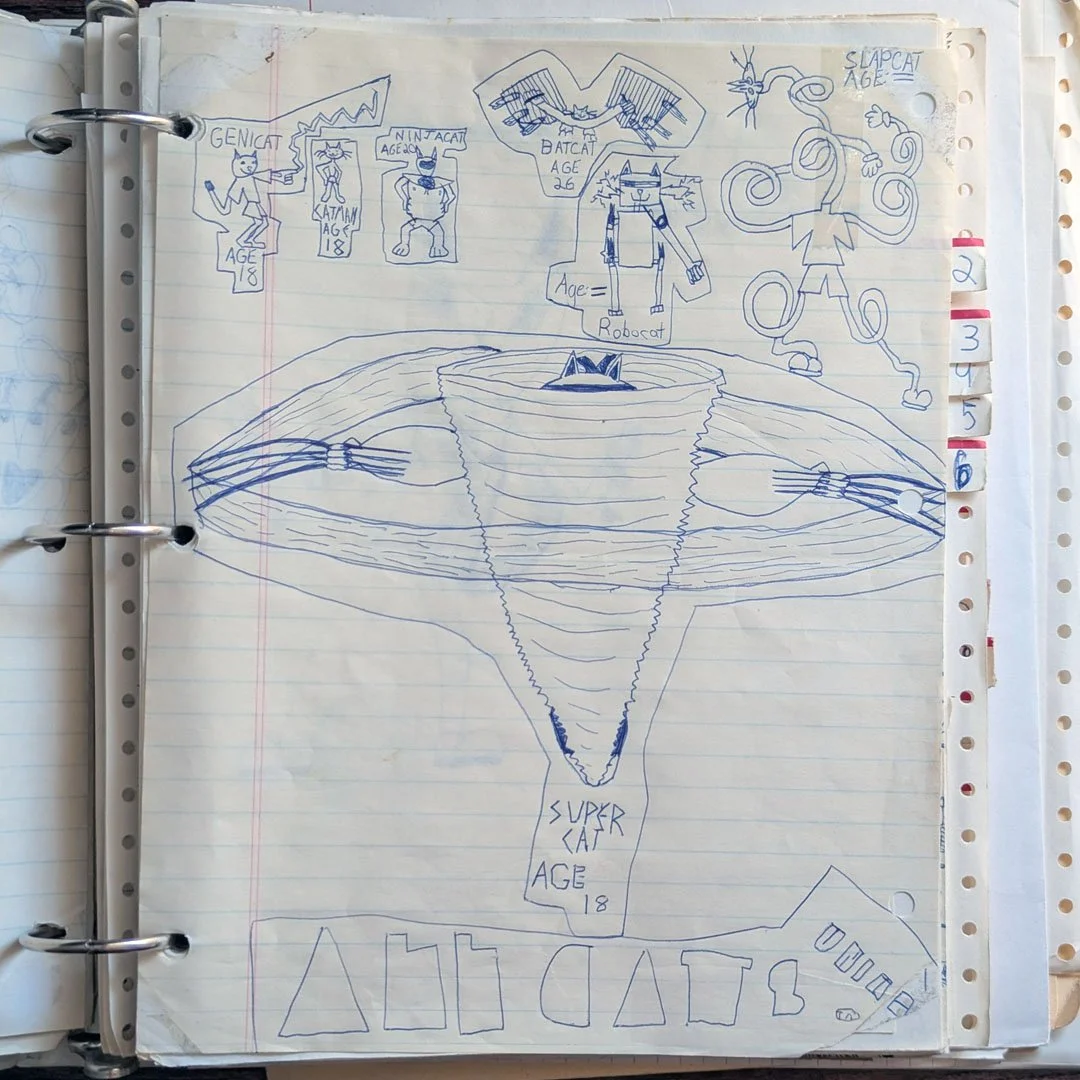
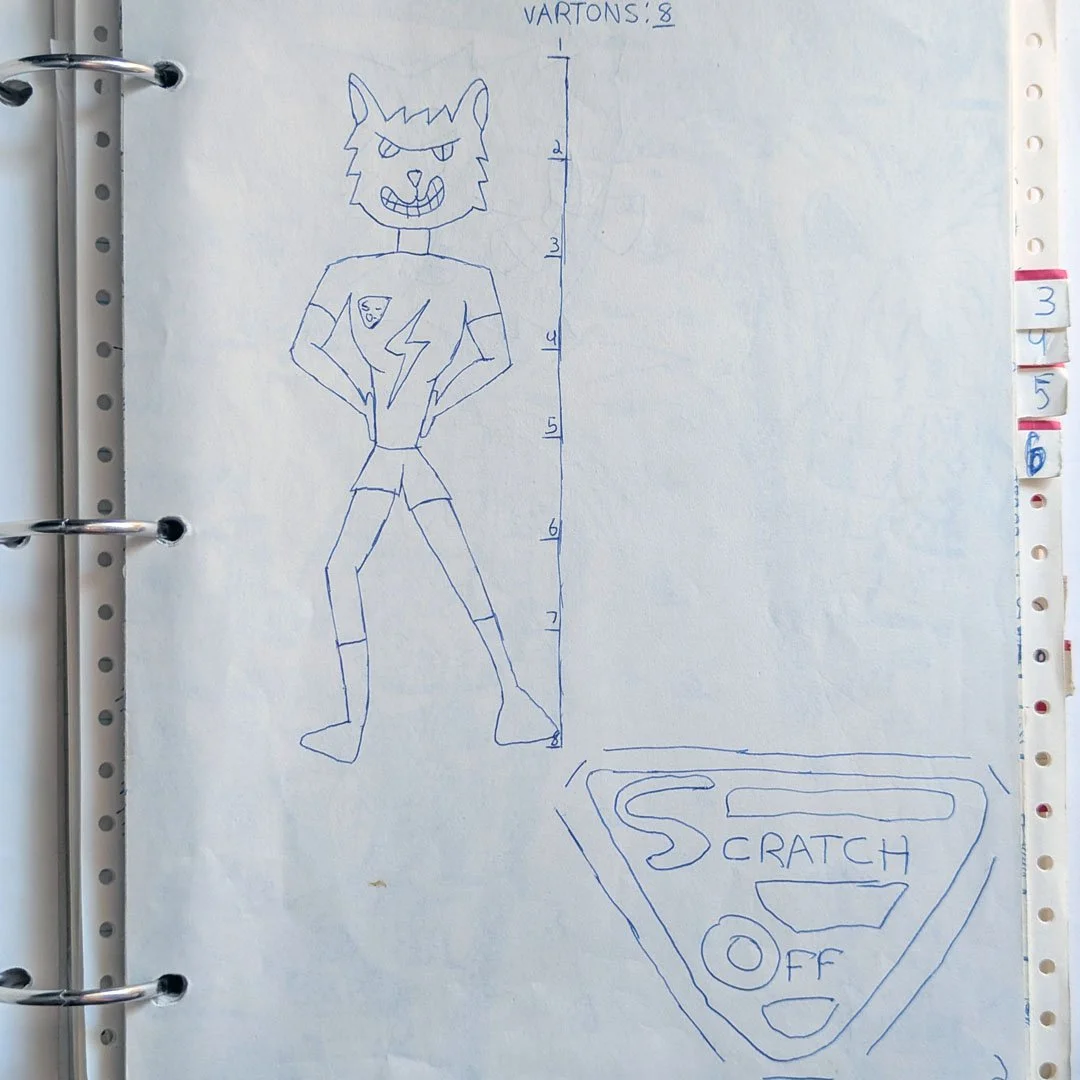
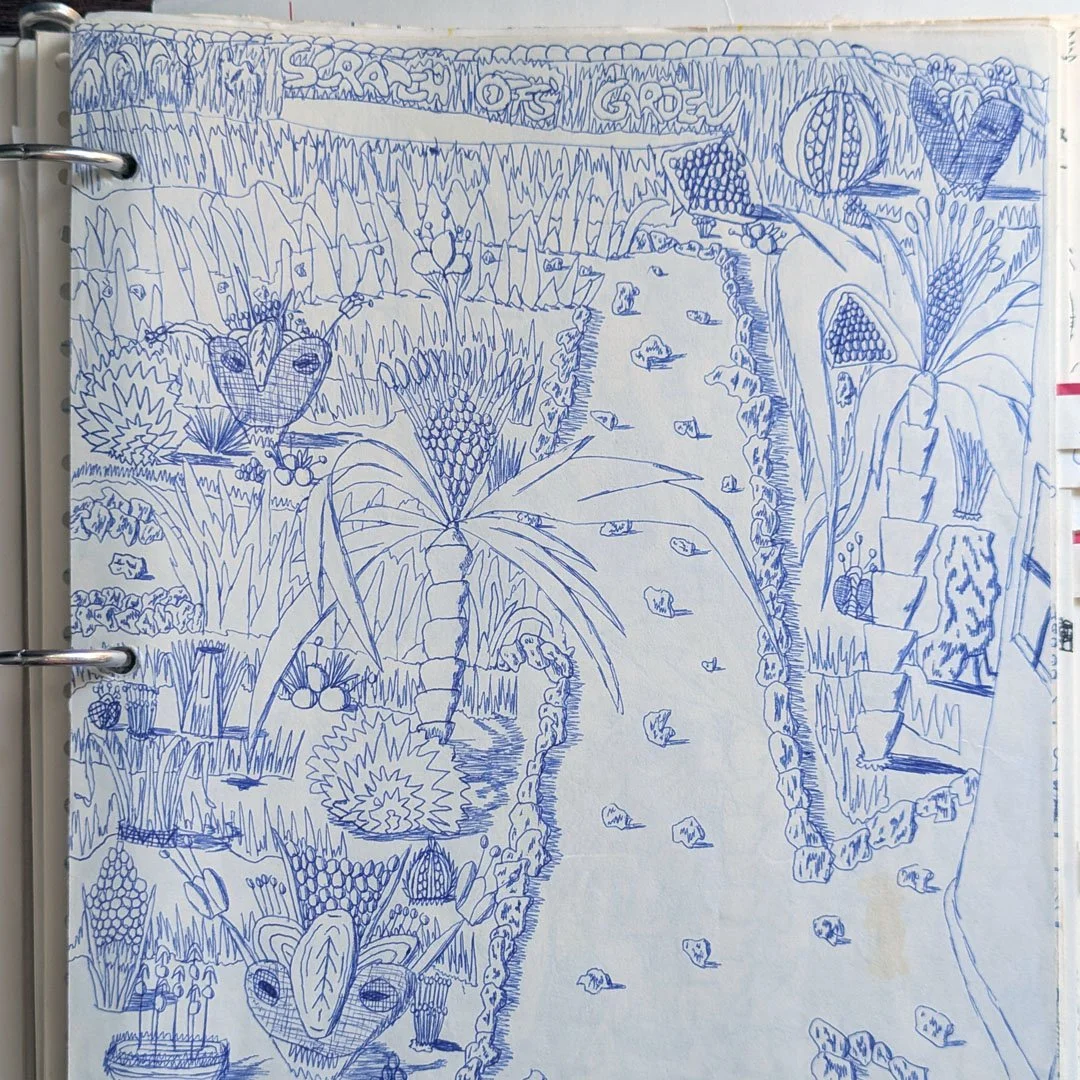
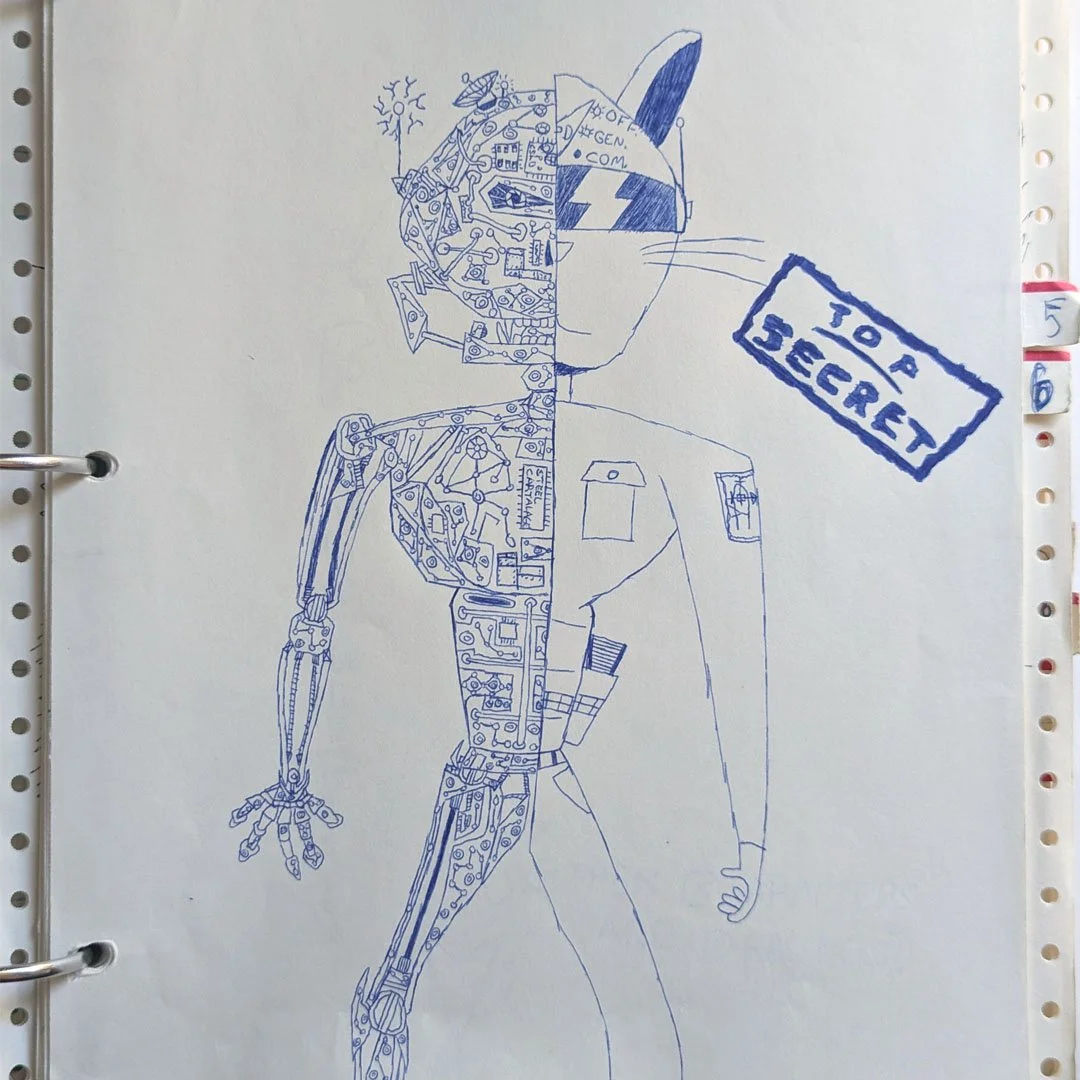
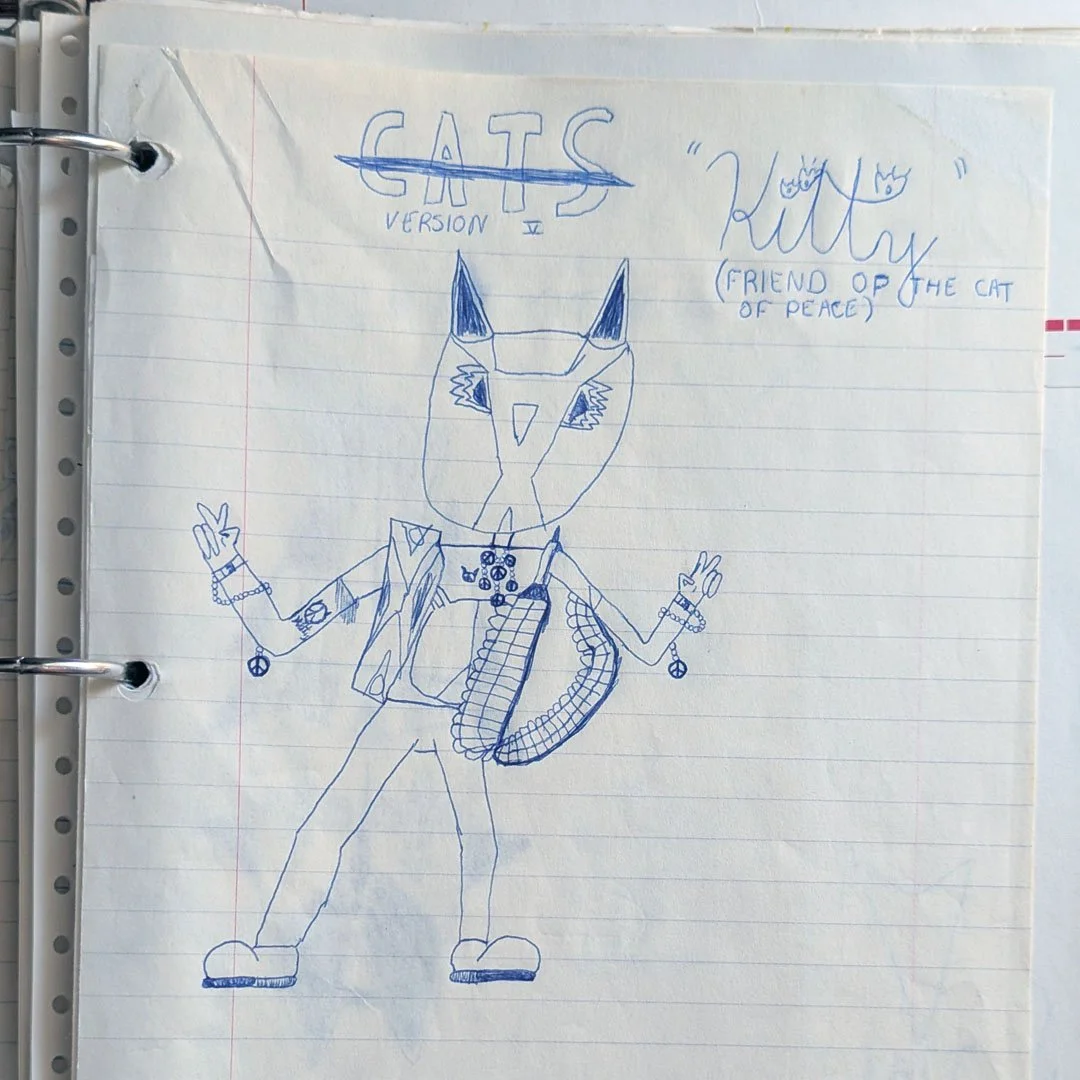
Said one fifth grader in 1994, “Jared’s going to grow up and marry cats.” Which was a silly thing to claim, as the milieu did not contemplate interspecies relationships even once; it was cats all the way down. I hope that through the great rear-view mirror of time and experience, that now-fortysomething understands how ridiculous they sounded.
Insofar as I can actually remember my “process” as an artist from ages 7-12, I believe I was certain all of these concepts were completely original. And yet with a fresh eye, almost every character, and even some compositions, were lovingly lifted from media influences. Scratch-Off was definitely a response to Bubsy; Cybocat was a G-rated Robocop; Slapcat was Mr. Fantastic; and I’m pretty sure that Kitty and his ripped-denim-clad band The Cats were an amalgam of any of the hair bands my parents played on the local classic rock radio station. Stories were mirrored almost beat-for-beat from Power Rangers and VR Troopers. Whole drawings responded to key art from Wolfenstein 3D and any number of Sierra’s point-and-click adventures.
There was a period, long after all this art was made but way before today, when I felt embarrassed or regretful about how imitative my artwork was. But revisiting these characters through the lens of being a dad to an eminently creative kiddo has brought all these old drawings into a new kind of focus. Good artists copy; great artists steal is a fun adage that’s often attributed to Pablo Picasso, and was subsequently copied and stolen by any number of people from T.S. Eliot to Steve Jobs, and there’s a wisdom there worth stealing.
As I watch my son build worlds in his supercharged imagination, a pattern emerges: new details almost always mirror stories and media he’s recently experienced. He created a race of hyper-intelligent birds, born after our family invested in a big full-color bird reference book and we started using Merlin to identify all the songs in our backyard. We find out how his birds teach their young in a big college, and descriptions of the school’s faculty map suspiciously over characters from Monsters University. The birds become militarized against the tide of human colonialism after conversations about the European colonization of North America. Following a trip to the Boston Tea Party Museum, they mount an ongoing conflict to claim their independence following the American Revolution’s playbook. Most recently, we got to see the first fully-rendered map of the civilization the birds built for themselves in the age before the human invasion, and it looks suspiciously like the maps I’ve shown him from The Lord of the Rings and the hexcrawl I’m developing in my Shadowdark campaign.
This seamless and shameless folding-in of new inspiration into the kiddo’s imagination-continuum is a great illustration of how we all work together to push art forward. For as long as a kid’s drive to create outpaces their context and experience, every doodle and story becomes a window into their journey of synthesizing new information. It’s no different for us grownups, and it was my son who called me out on precisely that fact: while sharing the fiction from my Shadowdark campaign with him recently, he pointed out that the writing sounded just like what he was used to hearing in Lord of the Rings. Without realizing it, my practice of reading LotR aloud to our family started to flavor my writing style. Guilty as charged!